Micro-stops are killing your efficiency?
How rotary canning systems stabilize your process, reduce downtime, and maximize line efficiency shift after shift.
5 Reasons to switch from linear to rotary canning
If you manage a beverage production plant, micro-stops are the hidden enemy of efficiency. Even small interruptions, caused by unstable product flow, seaming adjustments or cleaning cycles, can significantly reduce overall line performance. Rotary technology addresses these issues by introducing continuous mechanical motion, stabilizing the entire packaging process and ensuring consistent filling quality from the first can to the last.
1. Eliminate seamer drift with fixed mechanical cams
1. Eliminate seamer drift with fixed mechanical cams
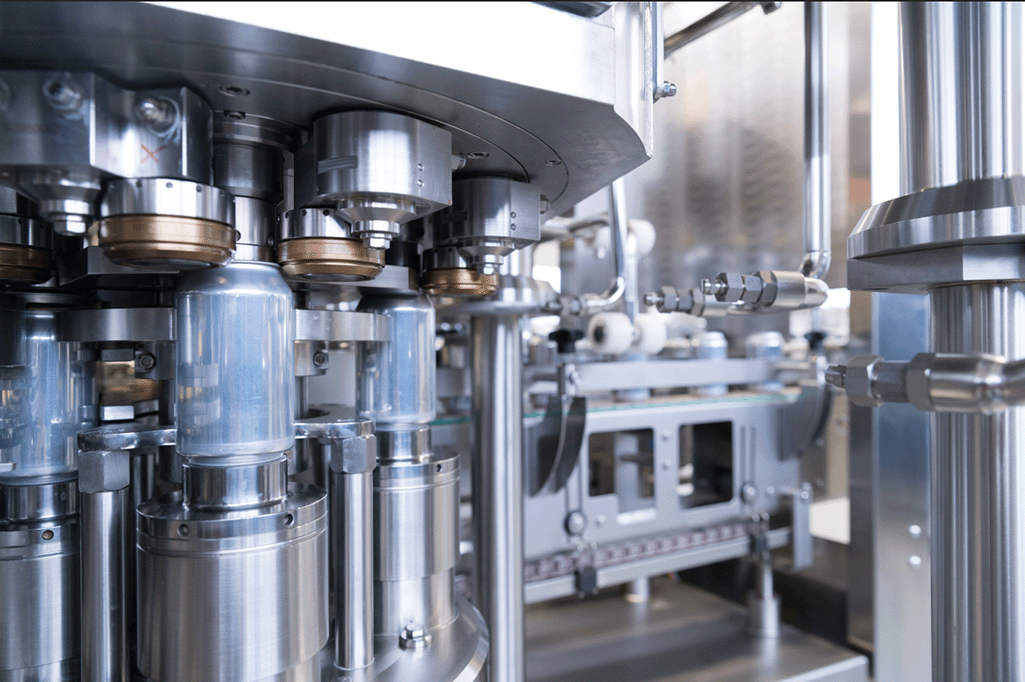
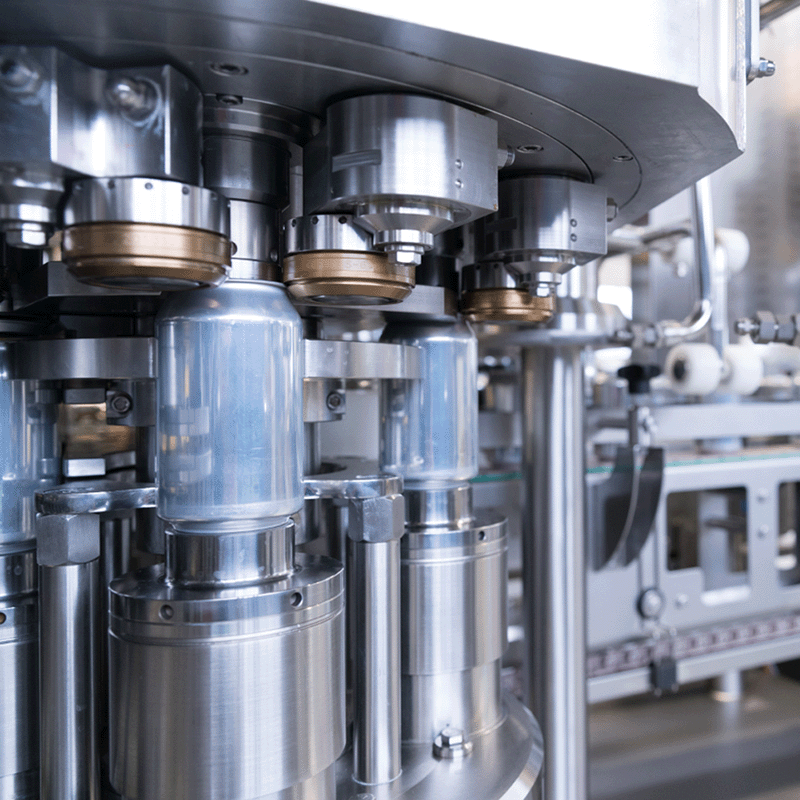
Rotary seamers rely on fixed mechanical cam systems rather than pneumatic adjustments. This ensures stable pressure throughout the seaming cycle and prevents the small fluctuations that often occur in linear configurations. The result is consistent double seams and reliable packaging integrity across millions of cycles.
2. Achieve stable product flow during filling
2. Achieve stable product flow during filling
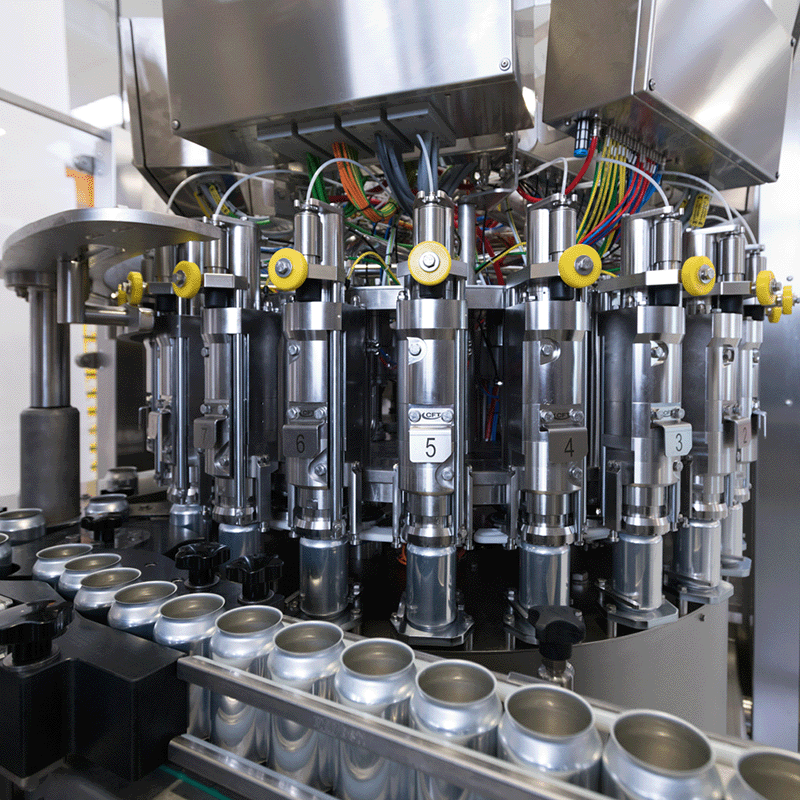
The continuous rotary movement creates a smooth and constant flow of cans and product through the filling carousel. This reduces turbulence and limits excessive foam formation, allowing faster and cleaner fills while minimizing product loss.
3. Reduce sanitation downtime with advanced CIP systems
3. Reduce sanitation downtime with advanced CIP systems
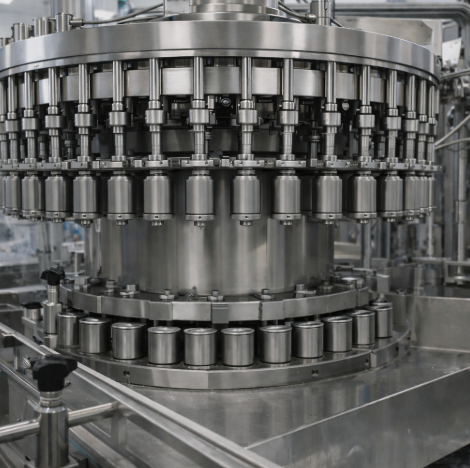
Modern rotary machines are designed with hygienic layouts, self-draining components and integrated washing and Clean-in-Place (CIP) cycles. These features simplify sanitation procedures and significantly reduce downtime dedicated to cleaning and food safety operations.
4. Handle multiple SKUs with faster format changes
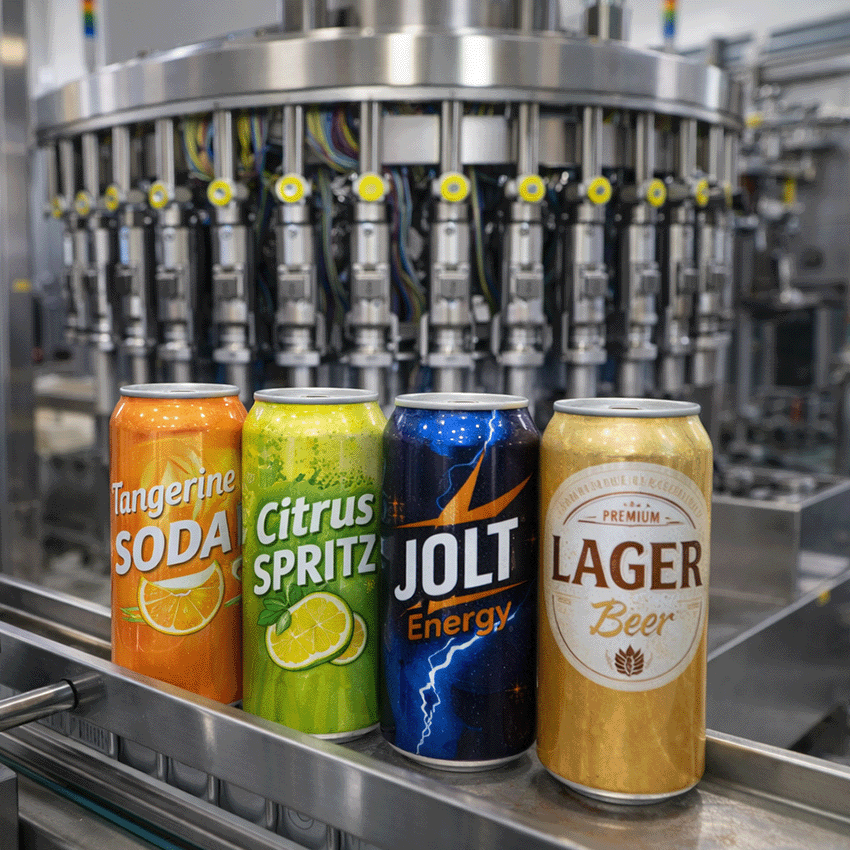
4. Handle multiple SKUs with faster format changes
Many beverage plants manage an increasingly complex product portfolio. Rotary systems are designed with modular configurations and simplified changeover procedures, allowing plants to switch between can sizes or product types with minimal production interruption.
5. Prevent unexpected downtime with predictive maintenance
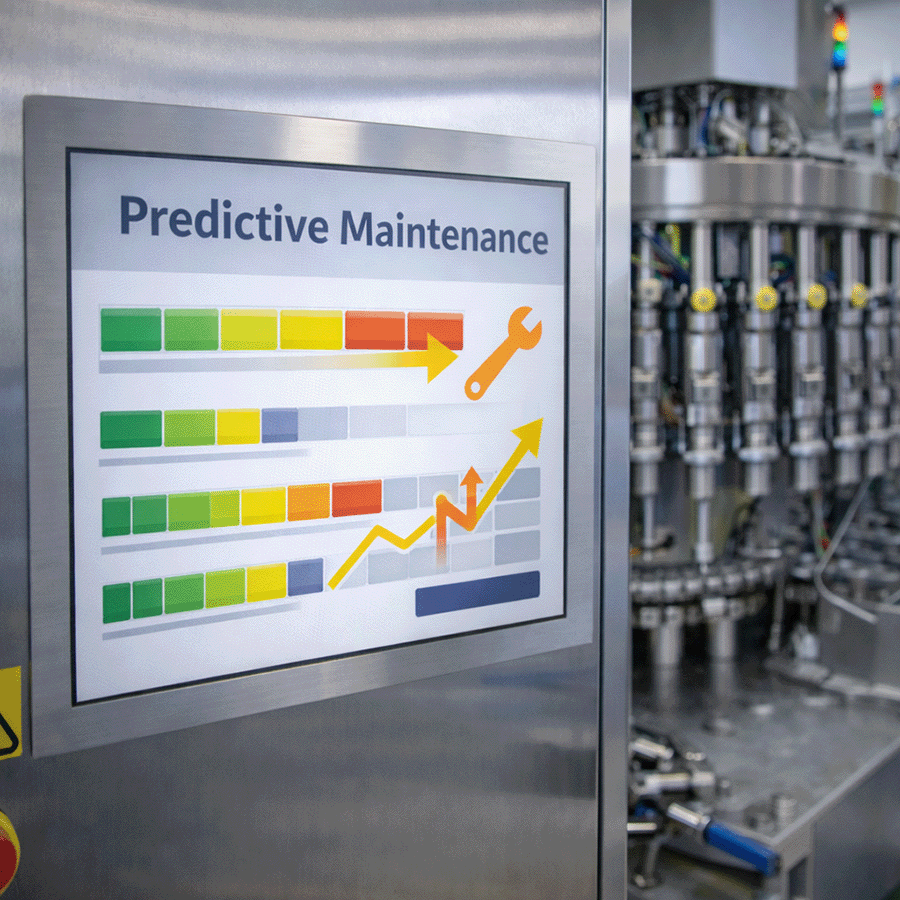
5. Prevent unexpected downtime with predictive maintenance
Advanced PLC and control systems continuously monitor key machine parameters. This enables predictive maintenance strategies, allowing operators to identify potential issues before they result in unexpected line stoppages.
For production managers focused on uptime and process stability, rotary technology offers clear advantages over linear systems. Continuous motion, mechanical precision and advanced automation help maintain consistent packaging performance shift after shift.
CFT rotary canning solutions combine these engineering advantages with dedicated local technical support in the United States, ensuring reliable long-term operations.